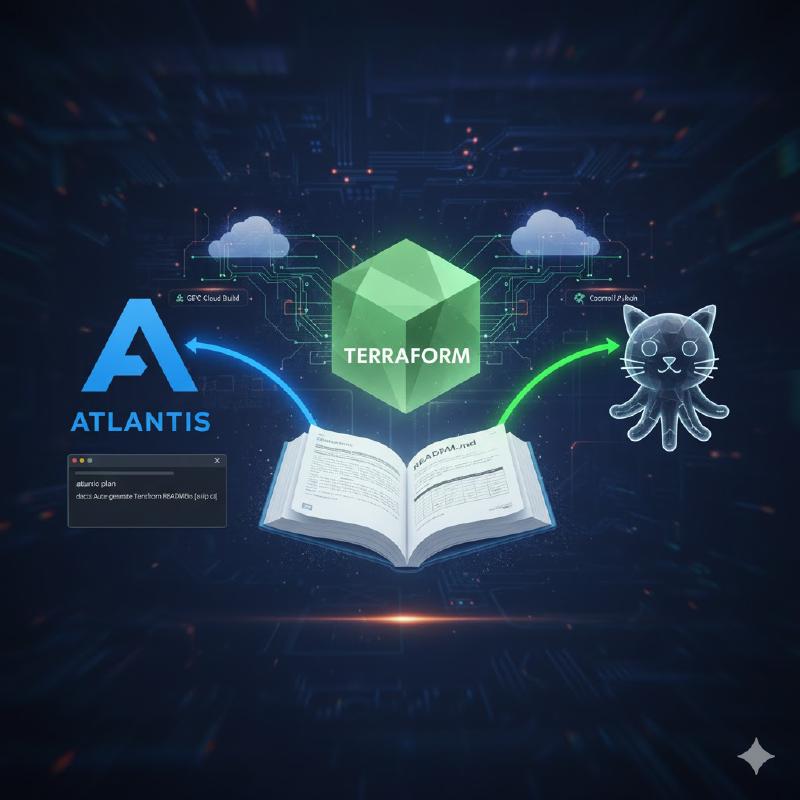
How I automated code documentation generation across application repositories using OpenWiki, GCP Cloud Build triggers, Terraform, and Gemini.
The legacy infrastructure relies on a monolith platform to generate and distribute critical data feeds (e.g., Google Merchant Reviews/Products).
Using Kubernetes and passing the CKA exam are two completely different things. Here's what I learned after weeks of study and finally passing one of the hardest exams I've ever taken.
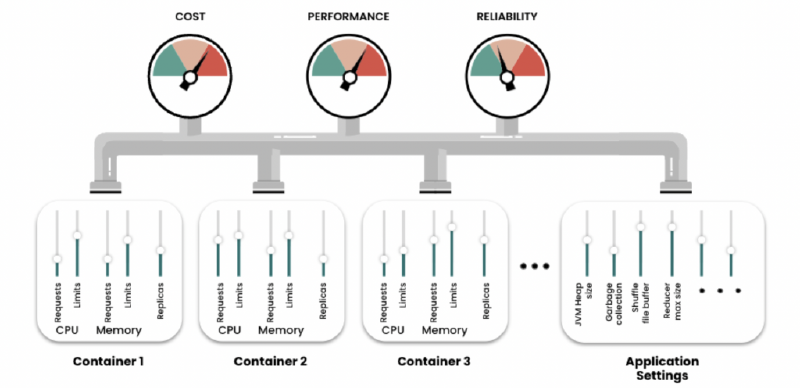
How load testing counter-intuitively proved that giving Kubernetes pods more CPU resulted in using fewer replicas, and how we implemented environment-specific sizing using advanced Helm templating.
How we replaced external CI automation with native Atlantis workflows for faster, more robust documentation generation using custom Docker images
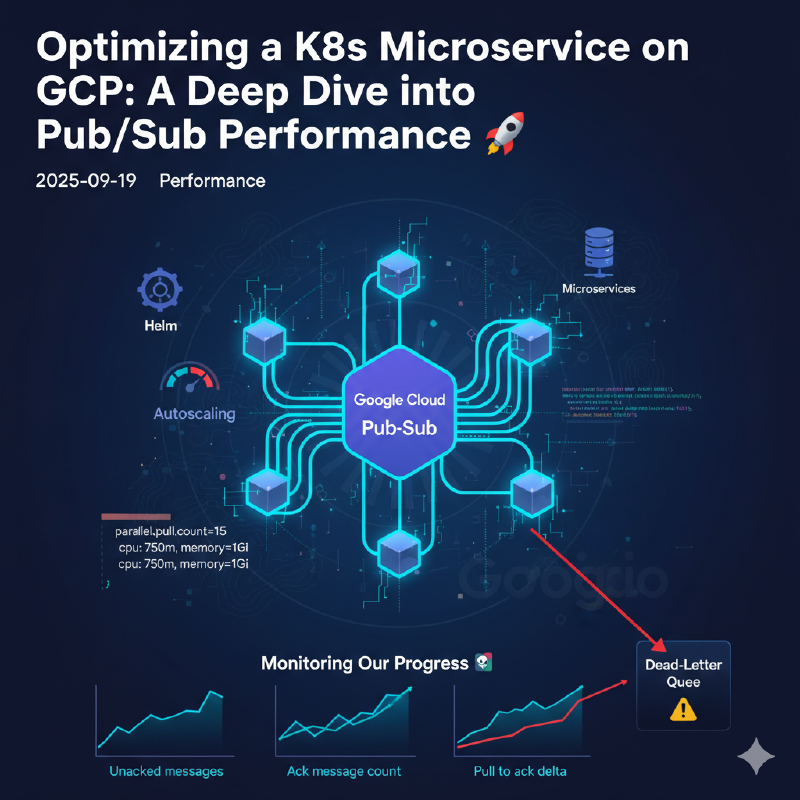
Recently, I tackled a significant challenge at work: optimizing the performance of a Kubernetes microservice running on Google Cloud Platform (GCP).
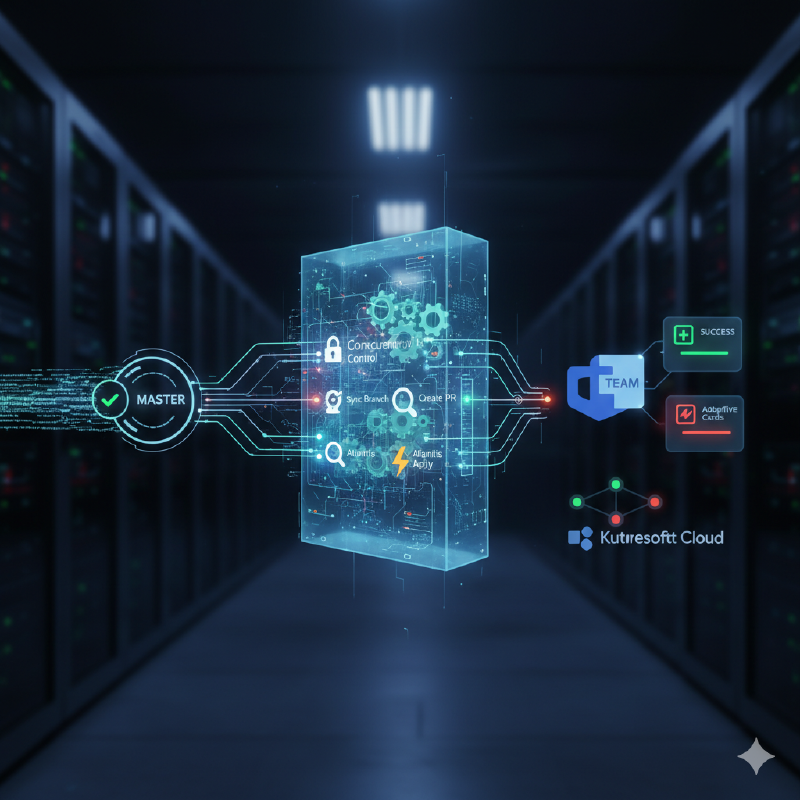
To automate a key workflow—syncing our master branch configuration to our dev-* environments—I created a robust Google Cloud Build pipeline.
Running event-driven microservices on GKE using KEDA is fantastic for cost efficiency and scalability.
The goal was simple: for every open pull request, automatically rebase its feature branch onto `master` and force-push the result.